

A memory of one of my first international Holiday Travels (1969)
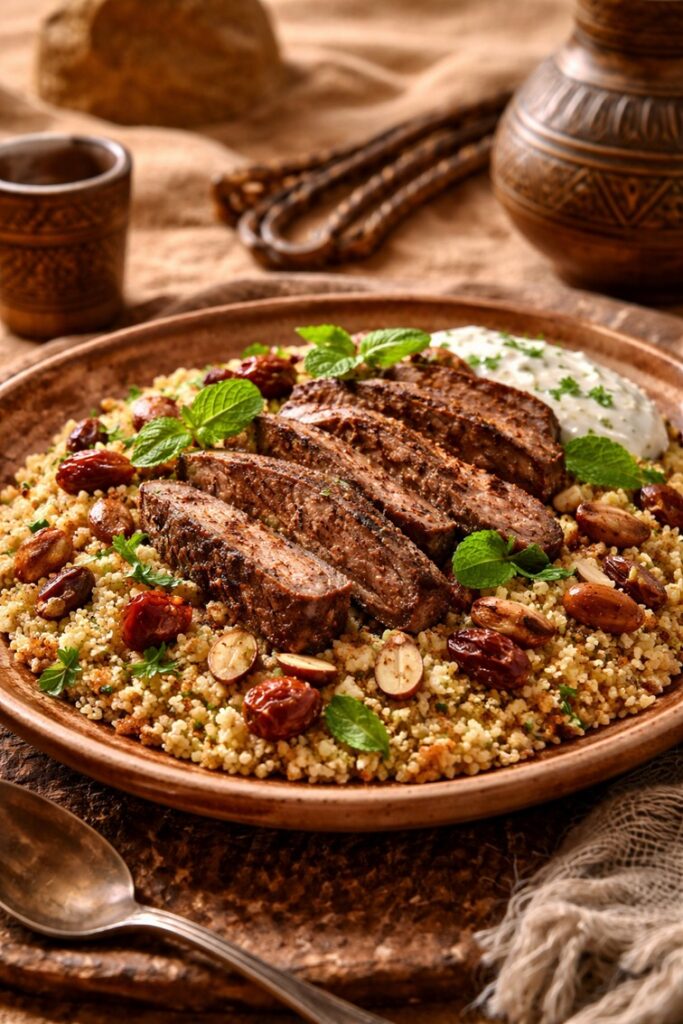
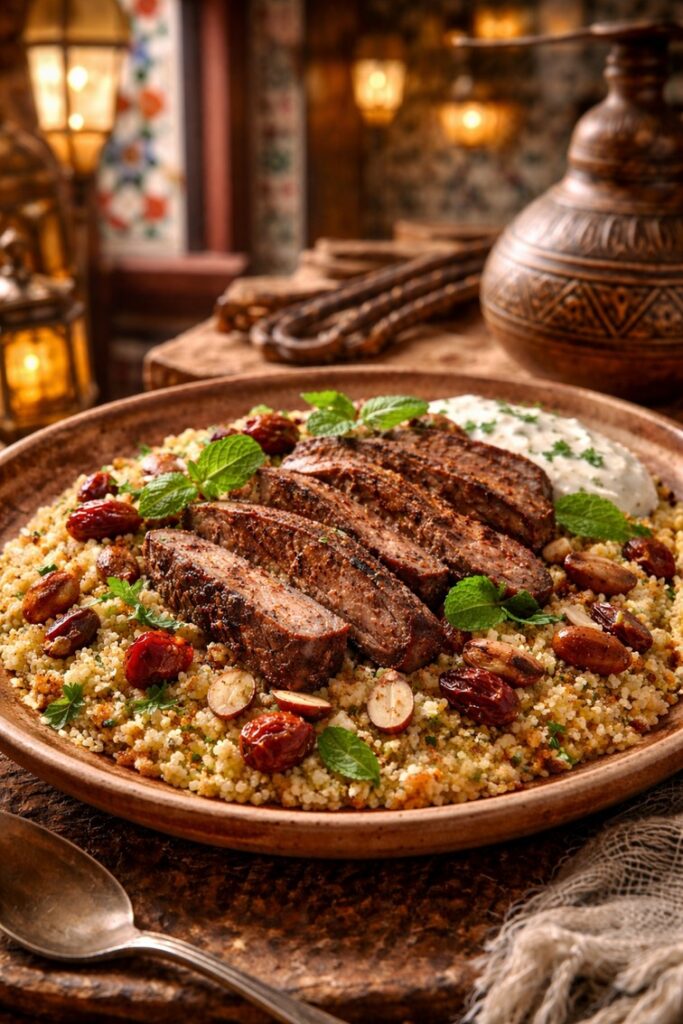
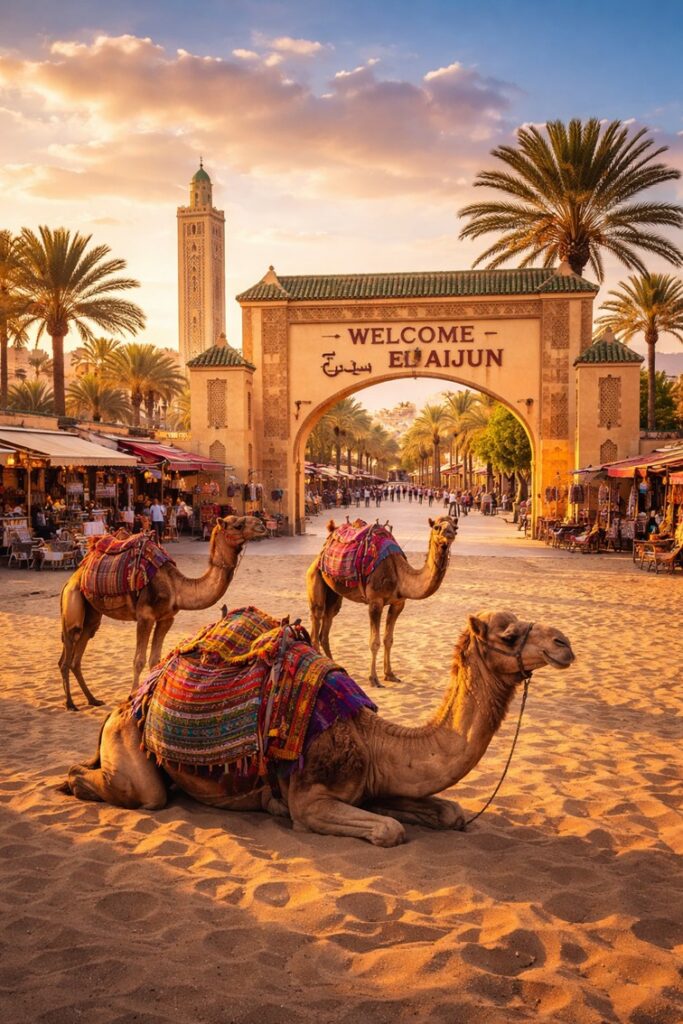
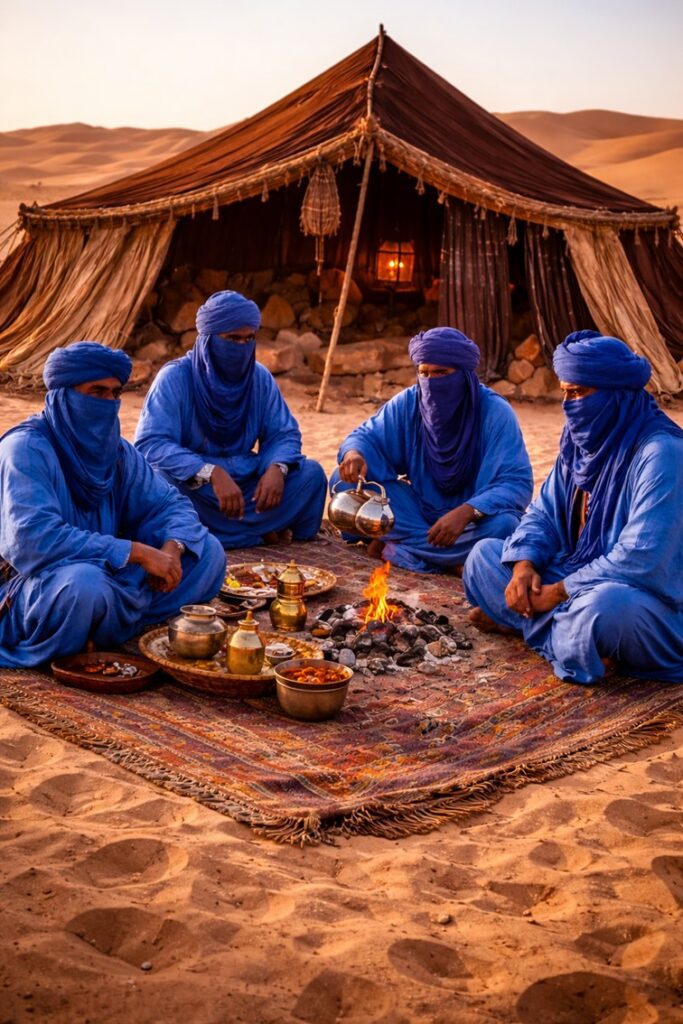
This dish reflects flavors traditionally found among Bedouin cooking in the deserts of the Arabian Peninsula and parts of the Levant. It also evokes the atmosphere of the former Spanish Sahara, especially around El Aaiún, where desert trade routes and nomadic food traditions shaped simple but nourishing meals. The dish combines grilled camel meat with warm spices, sweet dates, and toasted almonds ingredients that travel well in harsh desert conditions and provide valuable energy.
Ingredients
(2 servings)
Camel meat
300 g camel steak or thin slices
Most authentic substitute: lamb or goat
1 tbsp olive oil
1 tsp ground cumin
½ tsp ground coriander
½ tsp ground cinnamon
¼ tsp ground cardamom
Salt and black pepper
1 tsp date syrup or honey (optional)
A squeeze of lemon
Spiced millet
120 g millet
300 ml light broth or water
6–8 dates, chopped
2 tbsp almonds, lightly toasted
1 tbsp olive oil or butter
Pinch cinnamon
Pinch salt
Optional garnish
Fresh mint or parsley
A spoonful of plain yogurt
Preparation
Marinate the camel
Mix olive oil, cumin, coriander, cinnamon, cardamom, salt, pepper, and date syrup.
Rub this mixture onto the camel meat and let it marinate for 30–45 minutes.
Cook the millet
Rinse the millet briefly with hot water.
Cook with broth and salt for 12–15 minutes until tender.
Near the end of cooking, stir in:
chopped dates
cinnamon
olive oil or butter
Let rest for about 5 minutes, then mix in the toasted almonds.
Grill the camel
Grill the meat on a very hot grill or grill pan for 2–3 minutes per side, depending on thickness.
Camel meat should stay slightly pink (medium) to remain tender and juicy.
Serve
Spread the warm spiced millet with dates and almonds on a plate.
Slice the grilled camel meat and arrange it on top.
Finish with fresh herbs and, if desired, a spoonful of yogurt.
Traditional drink pairing
Bedouin hospitality often includes Arabic coffee, lightly roasted coffee flavored with cardamom.
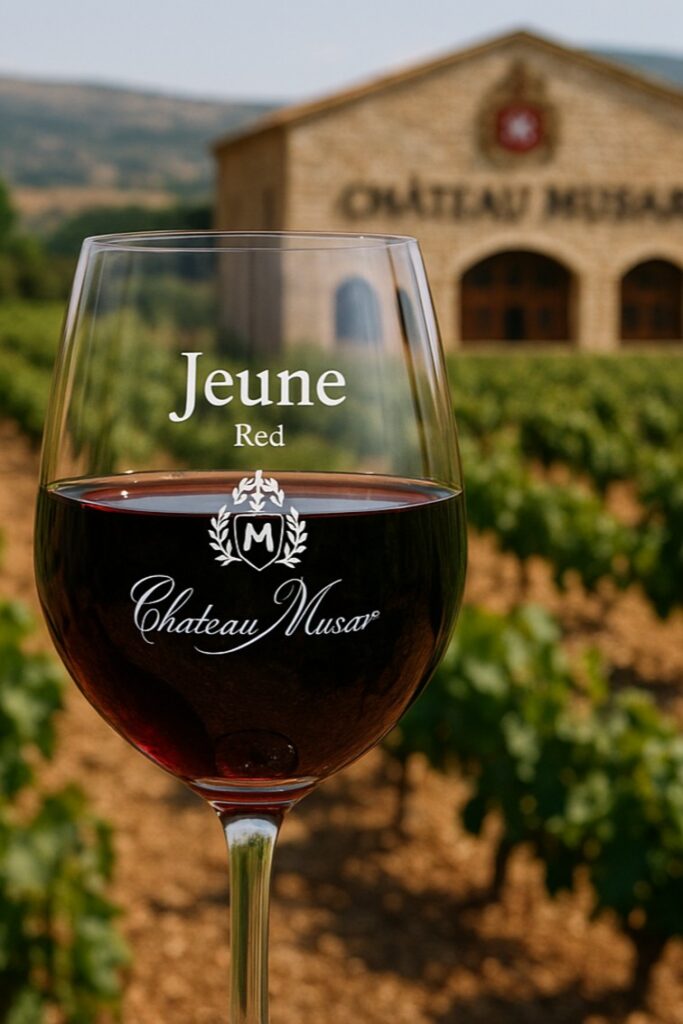
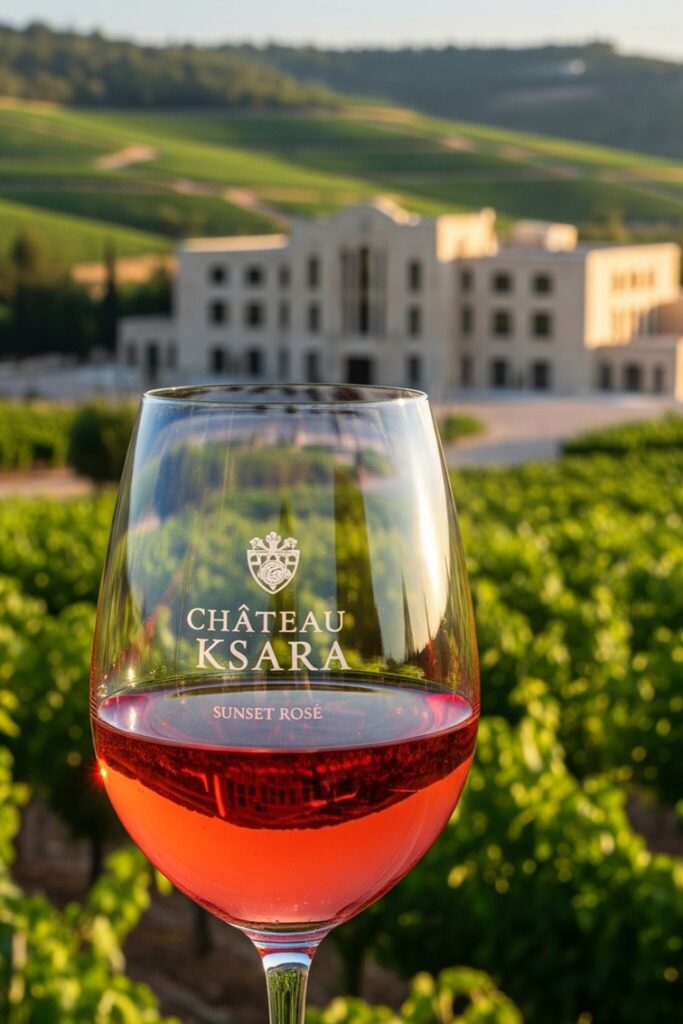
Good matches of Wines are:
Cinsault (Lebanon)
A soft, aromatic red grape that thrives in Lebanon’s sunny mountain vineyards. It typically produces wines with bright red-fruit flavors (cherry, raspberry, strawberry), gentle tannins, and a smooth, easy-drinking character, often contributing elegance and perfume to blends.
Carignan (Lebanon)
A more structured Mediterranean grape known for deep color, lively acidity, and firmer tannins. Lebanese Carignan wines often show dark berry, plum, and subtle spicy or earthy notes, adding backbone and aging potential to blends.
Cabernet Sauvignon (France)
A structured red grape known for firm tannins, dark-fruit flavors (blackcurrant, blackberry), and subtle herbal or cedar notes. In food pairing, it adds structure and freshness that balance the richness of meat and the natural sweetness of ingredients like dates. 🍷.